
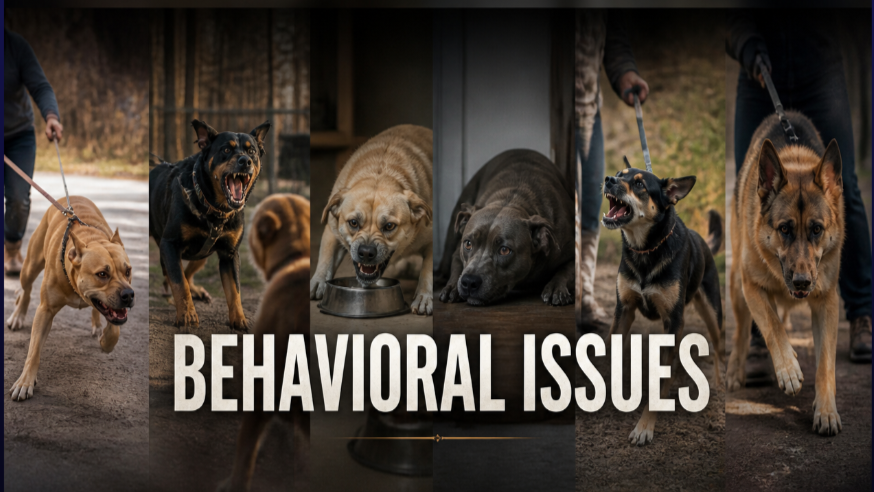
Behavior problems do not occur in a vacuum.
Fear, anxiety, reactivity, aggression, resource guarding, protective behavior, and confidence issues can often look similar on the surface while being driven by completely different causes. Two dogs may display the same behavior for entirely different reasons, which is why successful behavior modification begins with understanding the individual dog rather than applying a predetermined training method.
My approach starts with a thorough assessment of the dog's history, environment, health, learning experiences, daily routines, and the events surrounding the behavior. I continually evaluate progress throughout the training process, adjusting the treatment plan as new information emerges.
Over the years, I have worked with dogs struggling with trauma, abuse, fear, severe reactivity, defensive aggression, forward aggression, and confidence issues. Some needed to learn that people were safe. Others needed to learn that they no longer had to carry the responsibility of protecting themselves or their families.
Behavior modification is about more than changing behavior. It is about understanding why the behavior exists in the first place.
My goal is not simply to teach a dog what to do. My goal is to identify the factors driving the behavior and help both dog and owner build a safer, healthier, and more successful future together.
Because before a behavior can be changed, it must first be understood.
Meet Cap…
Victim of severe physical abuse from 7 weeks to 7 months of age (along with the current owner
Concussions and 2 broken legs requiring surgery from abuse
Exposed to and became addicted to Methamphetamines via the person who abused him from 7 weeks to 7 months of age
Meet Ollie…
Ollie was a very social dog. The owner went on vacation and boarded Ollie and their other dog with a company they had used before more than once and never had an issue. However, when they picked their dogs up after this boarding session something was terribly wrong. Both dogs, who were very freindly came back terrified of humans. Ollie especially had an extreme fear of hands. He would take a treat from you and if you didn’t move you hand fast enough, he would snap at you for fear of being hurt. The owner had been through multiple trainers and even a veterinary behaviorist with no success. This video is his story.